
Coconut Oil for Weight Loss: What the Research Says About This Cooking Oil
Choosing a cooking oil for weight loss starts with one fact: every oil supplies close to 120 calories per tablespoon, and coconut oil provides about 117. Fat type and portion size therefore both matter. Coconut oil for weight loss is a frequent topic in Indian kitchens, where the oil is used daily for tempering, sautéing, and frying.
Why Coconut Oil Is Linked to Weight Management
Among the coconut oil benefits studied for energy, medium-chain triglycerides stand out, since the body digests this type of fat quickly and uses it readily for energy. Lauric acid makes up a large share of these fats, and it behaves differently from the long-chain fats found in most other oils. These properties explain the interest in coconut oil for weight loss.
Fat also slows the movement of food through the digestive tract, which helps meals feel more satisfying and may reduce snacking between meals.
Coconut oil and MCT oil are different products. MCT oil is a concentrated extract made mostly of medium-chain fats, while coconut oil contains only a portion of them. In a 16 week trial, adults who used MCT oil as part of a weight-loss plan finished about 1.7 kg lighter than those who used olive oil. That result belongs to MCT oil, and coconut oil holds a smaller share of the same fats, so a smaller effect is reasonable to expect.
What Studies Say About Coconut Oil for Weight Loss and Waist Size
Human trials on coconut oil for weight loss are few and mostly short. A 45 day randomized trial on the effect of coconut oil on weight loss in 29 men with obesity compared one tablespoon of extra virgin coconut oil daily with soybean oil, both within a balanced diet of equal calories. Body measurements were similar in the two groups, while HDL cholesterol rose and the total to HDL cholesterol ratio fell in the coconut oil group.
The better-designed studies placed coconut oil inside a reduced-calorie diet with regular exercise. The strongest results therefore come from using coconut oil in place of other cooking fats within a planned diet and an active routine.
Calories in Coconut Oil and How Much to Use
A tablespoon of coconut oil for cooking provides about 117 calories, and a teaspoon provides close to 40. Sesame, groundnut, and olive oil fall in a similar range, so every cooking oil carries a similar energy load. A low calorie cooking oil habit therefore depends on measuring the quantity, since two or three casual pours can add a few hundred calories to a single meal.
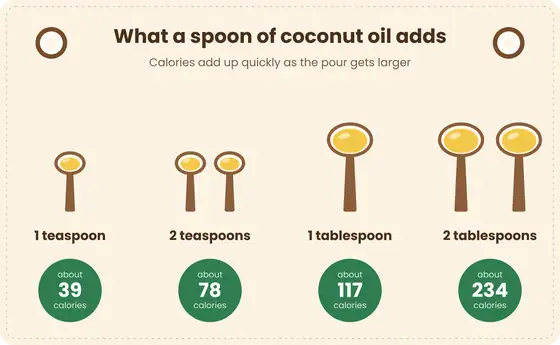
Measuring with a teaspoon, using a spray bottle or brushing a thin layer onto the pan keeps portions steady. A teaspoon or two per serving covers the tempering or sautéing of most vegetable dishes. Coconut oil for weight loss therefore works best when each teaspoon is counted like any other food.
Coconut Oil Compared With Sesame and Groundnut Oil
Sesame oil for weight loss and groundnut oil for weight loss are common searches as well, since both oils are staples in Indian kitchens. Sesame oil contains close to equal parts monounsaturated and polyunsaturated fat, and it can give positive outcomes for weight maintenance when used within a low-calorie diet. Groundnut oil is rich in monounsaturated fat, while coconut oil is mostly saturated fat.
| Oil | Calories per tablespoon | Main fat type |
|---|---|---|
| Coconut oil | About 117 | Saturated, with medium-chain fats |
| Sesame oil | About 120 | Monounsaturated and polyunsaturated |
| Groundnut oil | About 120 | Mostly monounsaturated |
The best cooking oil for weight management depends on the dish, the heat, and the measured amount. Rotating between these oils adds variety to the fat intake, and cold pressed oil benefits extend across all three, since each can be extracted by pressing at low temperature.
Simple Ways to Use Coconut Oil for Weight Loss in Everyday Cooking
Coconut oil suits the tempering of dals, curries and coconut chutneys, where a single teaspoon carries plenty of aroma. Sautéing vegetables, scrambling eggs and preparing a sabzi work well with the same small quantity.
Coconut oil has a smoke point of about 177°C, which suits medium-heat cooking. Sautéing and shallow frying stay within this range, while deep frying at higher temperatures suits oils with a higher smoke point, such as groundnut oil. Replacing deep fried dishes with sautéed, steamed or roasted versions lowers the total oil per meal.
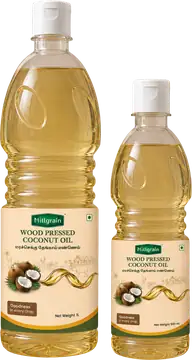
Cold-pressed coconut oil uses in the kitchen follows the same approach, since the oil is extracted by pressing at low temperature without chemical solvents, and virgin coconut oil keeps the natural coconut aroma. A cold pressed or virgin option suits coconut oil for weight loss plans because the label can show coconut as the only ingredient.
Precautions Before Adding Coconut Oil to a Diet
Coconut oil is nearly 100 percent fat, and 82 to 92 percent of that fat is saturated, a higher share than most cooking oils carry. Saturated fat can raise LDL cholesterol, so people with heart disease, high cholesterol or diabetes benefit from agreeing on quantities with a doctor or dietitian first.
Body weight responds to the whole pattern of calories, meals and activity. Coconut oil for weight loss therefore works best alongside portion control, a balanced plate and regular exercise, and rotating it with other cold pressed oils such as sesame or groundnut spreads the fat intake across different fat types.
Choosing the Right Oil for Everyday Cooking
Pure Organic foods, including cold pressed oils, make it easier to cook with simple ingredients and to measure each portion. Coconut oil for weight loss works as a supporting habit within a balanced diet. Small measured portions, medium-heat cooking and regular activity give the oil a useful place in the kitchen, and sesame and groundnut oil add variety to match the dish and the cooking method.
Quick Tips
- Measure oil with a teaspoon. It keeps each meal's portion steady.
- Choose cold pressed or virgin coconut oil. Coconut should be the only ingredient listed.
- Use it for tempering and sautéing. A teaspoon or two is enough.
- Rotate with sesame and groundnut oil. Variety spreads the fat types.
- Pair it with vegetables, dals, and whole grains. A balanced plate shapes the result.
Frequently asked questions
How much coconut oil can be used daily for weight loss?
A teaspoon or two per meal, used for cooking, is a practical amount, since each teaspoon provides about 40 calories. A doctor or dietitian can suggest a personal limit, especially for people with cholesterol or heart concerns.
Is coconut oil better than MCT oil for weight loss?
MCT oil is a concentrated extract and has most of the weight-related research behind it, while coconut oil contains a smaller share of medium-chain fats. Coconut oil remains a flavourful everyday cooking oil that fits into a calorie-aware diet.
Does coconut oil reduce belly fat?
A few small trials reported modest drops in waist size when coconut oil was used within a reduced-calorie diet. Diet, activity, and total calories decide how much belly fat changes.
Is coconut oil a low calorie cooking oil?
Coconut oil provides about 117 calories per tablespoon, which is similar to sesame and groundnut oil. A low calorie cooking habit comes from measuring small portions and choosing lighter cooking methods.
Which cooking oil is best for weight management, coconut, sesame or groundnut?
All three provide close to 120 calories per tablespoon, so the quantity matters more than the oil. Sesame and groundnut oil carry more unsaturated fat, and coconut oil suits medium-heat cooking, so rotating them gives variety.