
Millets for Diabetes
Pure by nature, perfect by choice.
Millets for diabetes are whole grains with a lower glycaemic index than polished rice, which is why many people rotate foxtail millet, barnyard millet, little millet, kodo millet and organic ragi into their meals. They are a dietary choice, not a treatment, so check with your doctor first.
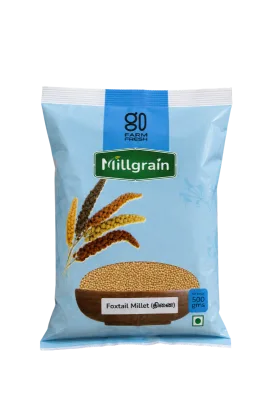
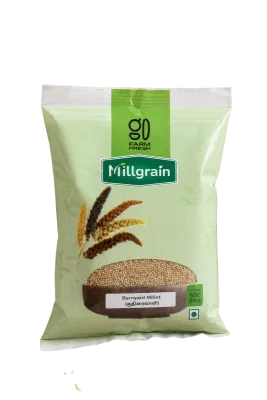
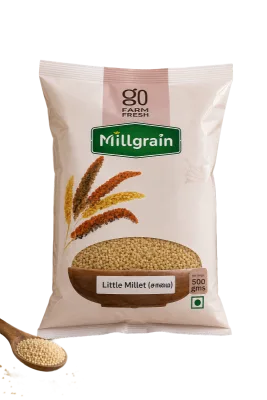
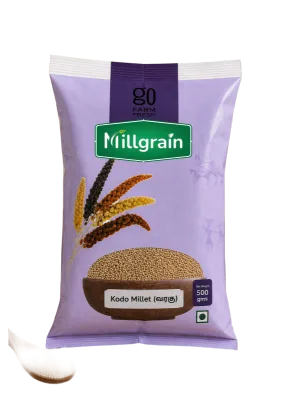
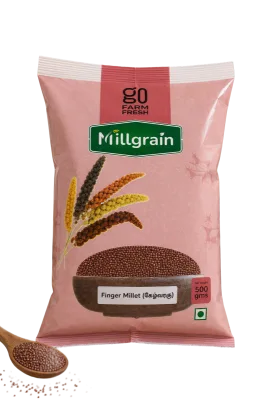
Millets help most when they replace refined rice and wheat gradually, which is why these five grains are part of our wider Pure Organic foods range and sit inside our whole grains collection, sold whole so they keep their fibre. A systematic review cited in our guide found that millets average a glycaemic index of around 53, roughly 36% lower than milled rice and refined wheat.
- Start with foxtail millet or barnyard millet, the two most often recommended low glycaemic choices, and swap them for rice at one meal a day.
- Little millet and kodo millet sit slightly higher on the glycaemic scale, and organic ragi is generally in the medium range, so rotate them with foxtail and barnyard rather than using them as the only grain.
- Cook millets al dente rather than mushy, pair them with dal, vegetables and curd, and keep portions moderate, because even low glycaemic millets can raise blood sugar when the portion is large.
Millets for diabetes are a dietary addition and not a replacement for medication, so talk to your doctor or dietitian before you change your diet. Want to cook them like rice? Our millet rice page shows how.
Millets for Diabetes — FAQ
Which millet is best for diabetes?
Foxtail and barnyard millet are generally considered among the best, because studies place their glycaemic index at around 50, well below rice or wheat. Individual response still varies, so monitor your own blood sugar after meals. Our guide to the best millet for diabetes compares six varieties.
What is the glycaemic index of barnyard millet (kuthiraivali)?
A hospital study in Coimbatore recorded about 50 for barnyard millet, which is low. The figure varies with the variety, the cooking method and the portion, so treat it as a guide and not a fixed number.
Is foxtail millet good for diabetes?
Foxtail millet is often the first recommendation, since it tests among the lowest glycaemic millets. The same Coimbatore study recorded about 49.6 for foxtail millet idli against 78 for plain rice idli. Our guide to foxtail millet benefits covers the evidence.
Is ragi good for diabetes?
Ragi is a reasonable choice for its fibre and calcium, but its glycaemic index is generally medium, roughly 54 to 68 depending on the study and the cooking. It still compares well with polished rice. Rotating ragi with foxtail or barnyard millet balances a weekly plan.
Are millets safe for people with diabetes and thyroid conditions?
Raw millets contain goitrogenic compounds that matter only in very high quantities, and cooking reduces the effect. If you have thyroid conditions as well as diabetes, rotate varieties and ask your doctor before making big changes.